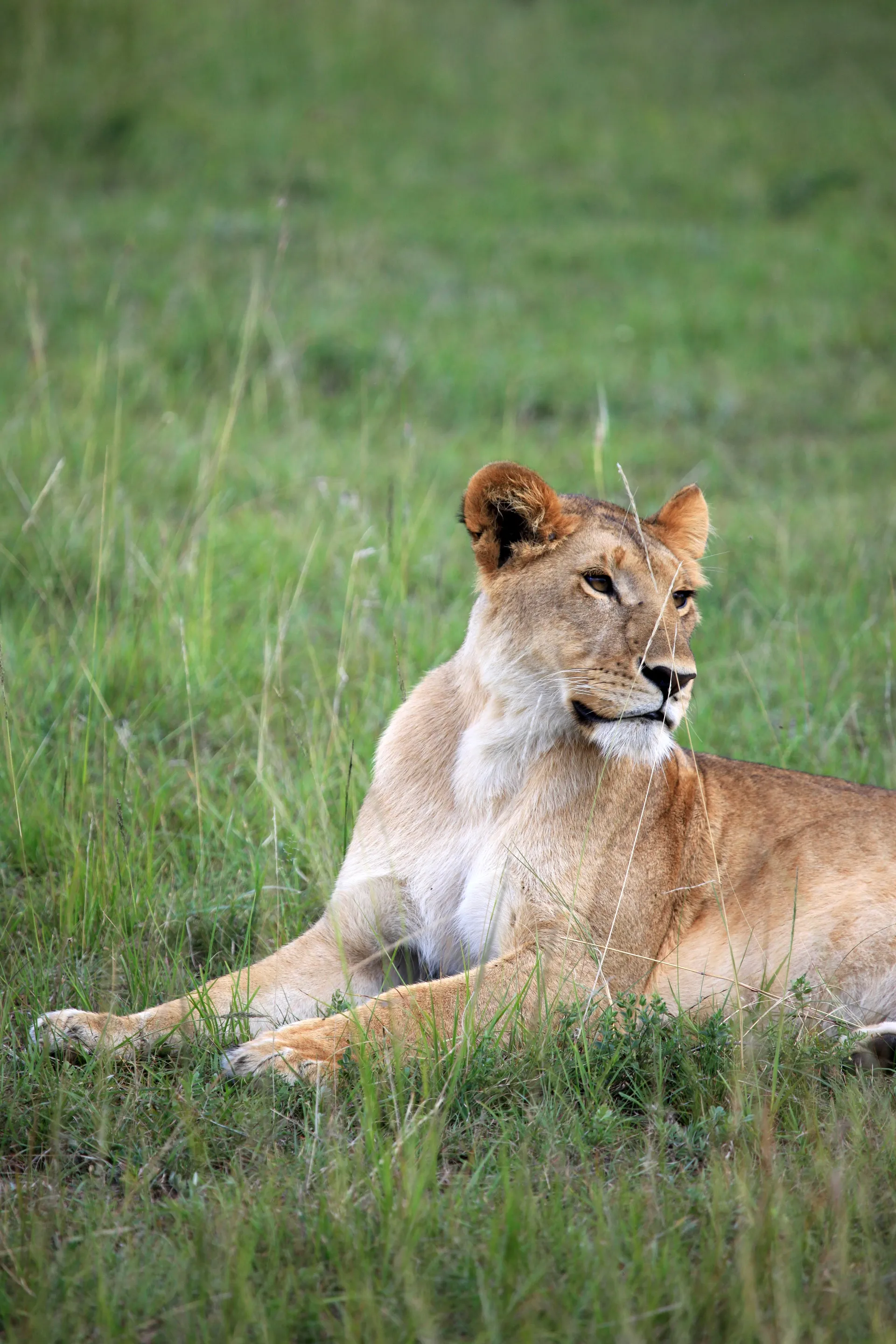

You might already have a picture of your Kenya holiday: a lion resting in the grass, an early game drive, or a few unhurried days beside the Indian Ocean. Turning that picture into a trip means answering some less glamorous questions. How many nights do you need? Which airport should you fly into? What does the safari price actually cover?
If you are planning a trip to Kenya from overseas, start with your available nights and your main reason for travelling. For a first safari-and-beach holiday, we suggest allowing around 10 to 14 days in Kenya. With a week, choose fewer stops. Then check the route, entry requirements, and full cost before committing to flights.
This guide is for international visitors considering a privately planned holiday with Bueno Leisure, our Nairobi-based travel and concierge business. You can use it to build your own shortlist or ask us to help plan your Kenya trip.
How many days do you need in Kenya?
Count nights in Kenya separately from the days spent flying from home. A late arrival followed by an early departure does not give you two usable holiday days.
Around seven days: focus on Nairobi and one safari area, or choose a coastal stay with a carefully planned excursion. You will have more time to enjoy a place if you are not changing hotels every night.
Around 10 days: consider one safari area and one beach destination, with room for arrival and departure logistics. A starting point is one night in Nairobi, three nights on safari, four nights on the coast, and one final night near your departure airport. That is nine nights, with travel on the tenth day. Flight schedules may change the order.
Around 14 days: you have more room for a second wildlife area, extra time on the coast, or a slower pace for a family trip. Extra days are useful even if you do not add another destination.
For a closer look at routing, read our Kenya safari and beach itinerary guide. Treat example itineraries as starting points, not fixed packages.
Where should you go on a first Kenya holiday?
Begin with what matters most to you, then choose the places that fit. Trying to include every famous park usually means paying for more transfers and spending less time outside the vehicle.
For a safari-led trip, start by comparing the Maasai Mara and Amboseli. Our Maasai Mara destination guide introduces the open grasslands and wildlife experiences that draw first-time visitors. Amboseli is another option if elephants and views towards Kilimanjaro are high on your list. Mountain visibility and animal sightings are never guaranteed.
For time by the ocean, compare Diani and Watamu. Look at Diani Beach if you want a south-coast base, or Watamu for a different coastal setting. Choose the hotel as carefully as the beach: room category, meal plan, accessibility, and the atmosphere around the pool can matter more than the number of facilities.
Give Nairobi a purpose beyond changing planes. Depending on your arrival time and interests, a city stay can leave room for a meal, shopping, or a planned experience before the safari. Avoid filling the first morning after a long-haul flight just because it is technically free.
For honeymooners, we would prioritise privacy and fewer moves. For families, ask about children's ages, room arrangements, and activity restrictions before choosing a camp. For a group of friends, agree early on whether you want a private vehicle or shared activities.
When is the best time to visit Kenya?
There is no single best month for every Kenya itinerary. Your safari location, beach plans, and tolerance for rain all matter.
The Kenya Tourism Board's when-to-visit guidance identifies July to October and December to March as popular travel periods, associated with generally dry, warm conditions. Use those windows to begin a conversation, not as a promise of the weather on your dates.
Kenya's main rainfall seasons are broadly March to May and October to December, with substantial regional variation. Check the Kenya Meteorological Department's seasonal outlook as your departure approaches. Overlapping travel and rain seasons are a reminder that a countrywide calendar cannot tell you exactly what a particular camp or coastal town will be like.
If your dates are fixed, choose the route around them. If they are flexible, ask us to compare two travel windows and explain the differences in availability and price. For a trip centred on the migration, ask about the expected herd location for your dates, but never book on the assumption that a river crossing can be scheduled.
What should a Kenya holiday budget include?
A useful budget is a complete trip budget. Two safari quotes can look similar while covering very different things.
Before comparing totals, ask for a written breakdown of:
- Accommodation, room category, number of nights, and meal plan.
- Private or shared game drives, guide services, and vehicle arrangements.
- Park or conservancy fees, including which days and areas are covered.
- Domestic flights, baggage allowances, airport pickups, and other transfers.
- Optional activities, drinks, tips, and any services charged separately.
- Taxes, payment currency, deposit terms, and cancellation conditions.
Keep international flights, travel insurance, entry-related costs, and personal spending in your overall budget unless the quote specifically includes them. Check whether a quoted amount is per person, per room, or for the whole party, and whether it assumes two people sharing.
International visitors should request the rate that applies to their nationality and residency. A Kenyan or East African resident promotion is not automatically available to a visitor from overseas. Eligibility can differ between hotels and parks, so provide those details when requesting a quote.
Start with our luxury safari experience or coastal escape for inspiration, then request a dated proposal. Advertised starting prices are not a confirmed total for your specific trip.
Check Kenya entry requirements before you travel
Use the official Kenya Electronic Travel Authorisation portal to check whether you need an eTA. Some nationalities and traveller categories are exempt. Do not assume that rules for another traveller, or advice from an older blog, apply to your passport.
If an eTA is required, the official guidance recommends applying at least two weeks before travel. Check the current document requirements, including passport validity and booking details, before submitting an application. An approved eTA permits travel but does not guarantee admission at the border.
Confirm the requirements for your passport with the relevant Kenyan mission if anything is unclear. Transit countries may have their own rules. Recheck official guidance before departure, as entry conditions can change.
Plan health, insurance, and practical support early
Arrange a travel-health consultation before departure and take your proposed route with you. The CDC's Kenya travel-health guidance is a useful starting point for discussing vaccinations, mosquito precautions, and any medicines with a qualified clinician. Recommendations depend on your health and itinerary; a travel planner cannot replace medical advice.
Read your own government's current travel advice for the places you intend to visit. For example, British travellers can consult the FCDO Kenya travel advice. Check the geographical detail rather than treating the whole country as one destination.
Before buying insurance, confirm that it covers your planned activities and destinations, medical treatment, and emergency evacuation where needed. Tell your planner about mobility requirements, dietary needs, or other practical arrangements early enough to confirm them with each supplier.
Get airport transfers and safari connections right
Check the airport on every flight booking. Nairobi's Jomo Kenyatta International Airport and Wilson Airport are different places; do not assume that a connection is simply a walk to another gate. Your domestic airline and route determine the airport you need.
Ask for the complete journey from your arrival terminal to your first hotel or camp. That includes time for immigration, baggage collection, road transfers where necessary, and the next flight's check-in deadline. Build in a margin rather than relying on an optimistic transfer estimate.
For the coast, confirm the arrival airport or airstrip and the onward drive to your chosen hotel. A flight labelled with a coastal destination does not mean every resort is close by.
Check baggage rules with each booked carrier before packing. A light-aircraft safari sector may have a different weight allowance and bag-shape requirement from your international flight. The strictest sector needs to inform what you bring, including camera equipment.
These are details our travel and concierge services can help coordinate. If you want airport assistance or executive transport, tell us what you need so the proposed service and its cost can be confirmed in advance.
What to send when requesting a Kenya itinerary
You do not need a finished plan to enquire. A short, specific brief makes the first proposal much more useful than a list of every destination you have seen online.
- Your preferred dates, flexibility, and number of nights in Kenya.
- Number of adults and children, with children's ages and room preferences.
- Departure city, nationality, and residency for planning and rate eligibility.
- Your approximate budget and whether it includes international flights.
- What matters most: wildlife, beach time, food, privacy, celebrations, or a mix.
- Any accessibility requirements or activities you want to avoid.
Share planning details through our enquiry form, but do not send passport scans or other sensitive documents in an initial message.
Bueno Leisure can help bring the itinerary together, from safari and coastal stays to airport arrangements and bespoke concierge requests. Request your personalised Kenya holiday proposal, or email info@buenoleisure.com. You can also call +254 741 677 519 or +254 741 677 581.
First-time Kenya travel questions
Can I combine a safari and a beach holiday?
Yes. Begin with one safari area and one coastal base, then check the transport between them before booking hotels independently. Around 10 to 14 days gives you more room for both than a week-long trip.
Do I need to travel during the migration?
No. Choose your dates around the experience you want, not only one wildlife event. Ask which areas suit those dates and remember that animal movements and sightings are unpredictable.
Should I book flights before contacting a travel planner?
You can enquire either way, but checking your proposed route first helps avoid awkward connections. If flights are already booked, send the dates and airport details so the itinerary can work around them.
Can Bueno Leisure arrange more than the safari?
Yes. Tell us about the whole visit, including beach stays, airport arrangements, and any concierge requests. We will clarify what can be arranged, what is included in the proposal, and what needs separate confirmation.
Are resident hotel offers available to international visitors?
Only if you meet the supplier's eligibility conditions. Request a quote for your actual residency status rather than using a resident promotion to estimate your holiday cost.
Travel guidance checked on 16 September 2026. Entry rules, health advice, transport schedules, and supplier terms can change. Use the official links above for current requirements before booking and departure.