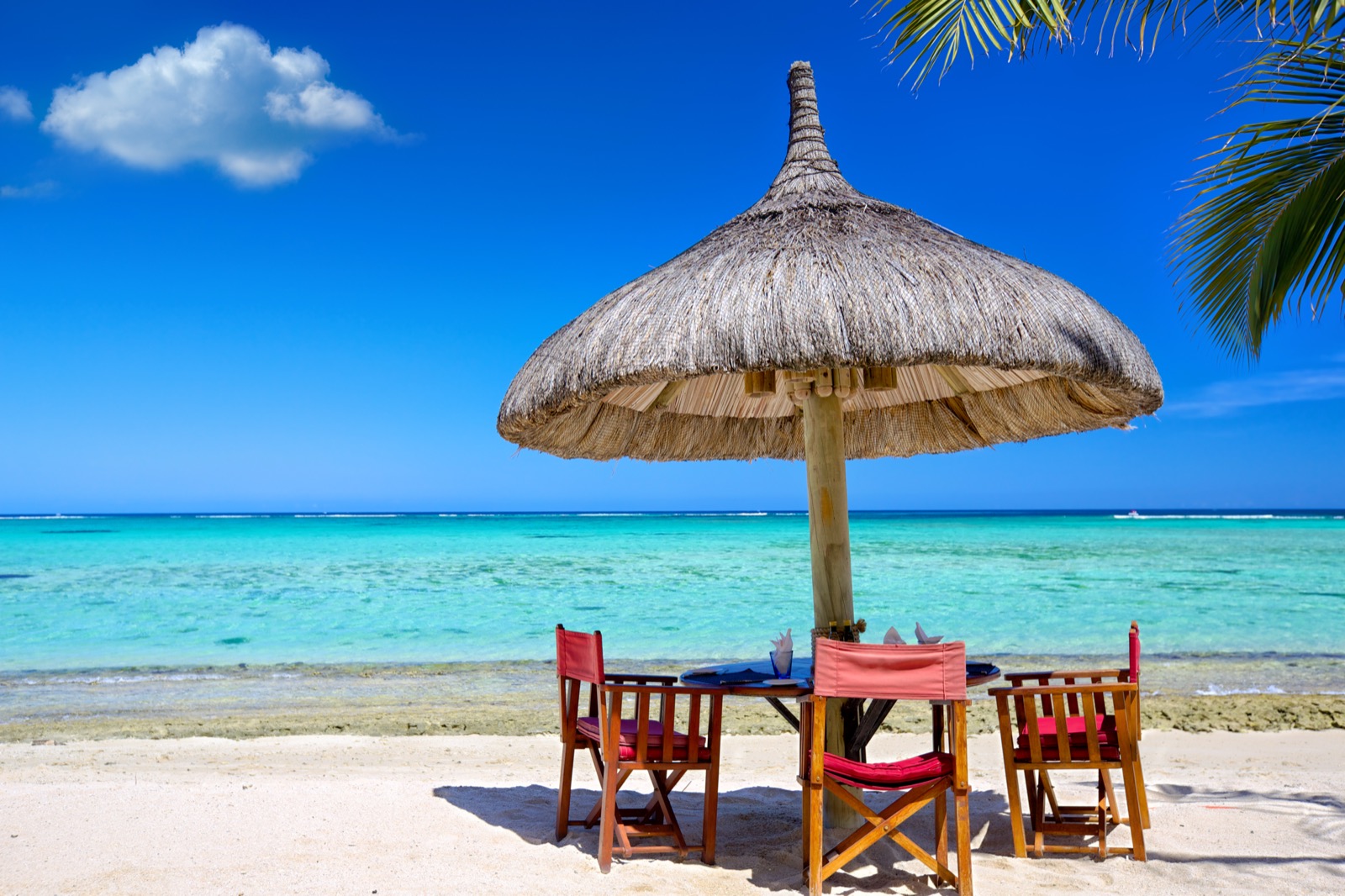

Destination weddings fail on logistics, not on setting. The venue is almost always beautiful. What causes trouble is the paperwork nobody started early enough, the month chosen without checking the rains, or the assumption that guests would simply work out their own arrangements.
This is the practical version. It covers the things that need deciding early and the things that are routinely left too late.
Start with the legal question
Decide early whether you want the marriage to be legally registered in Kenya, or whether you want a symbolic ceremony here and the legal formalities handled at home.
A great many international couples choose the second option. They complete the civil formalities in their own country in advance, quietly and without ceremony, and treat the Kenyan wedding as the celebration. This removes an entire category of risk and paperwork, and no guest will ever know the difference.
If you do want to marry legally in Kenya, it is entirely possible, but it requires proper lead time. You will be dealing with the Registrar of Marriages, there is a notice period to observe, and you will need passports, proof of single status, and in some cases documentation that has to be obtained from your home country before you travel. Requirements change, so this is the one area where current confirmation matters more than general advice. Start it months rather than weeks ahead, and get the specifics confirmed for your nationality.
Either way, make the decision first, because it affects your timeline more than anything else.
Let the seasons choose your date
Kenya's weather is more predictable than most, which makes this straightforward.
The long rains, roughly April and May, are the period to avoid. Some camps close entirely, coastal humidity climbs, and outdoor plans need a serious contingency. It is the cheapest window for a reason.
The short rains around November are less disruptive but still bring afternoon downpours. Workable with a covered option, and often good value.
January and February are excellent and underrated. Warm, clear, dry, and noticeably quieter than the July to October peak. For a coastal wedding this is arguably the best window of the year.
July to October is peak season. The most reliable weather and the best safari conditions, which matters if guests are extending their trip. It is also the most expensive and the most heavily booked, and in the Mara you are looking at a year of lead time.
Whatever month you choose, plan the ceremony for late afternoon. Equatorial midday is unkind to formal dress and to photography alike.
Getting guests there
This is where most of the friction lives, and where thoughtful planning is most visible.
Guests arrive at Jomo Kenyatta in Nairobi. If your venue requires a domestic flight, that connection leaves from Wilson Airport on the other side of the city, and the transfer between the two takes anywhere from forty minutes to well over ninety depending on traffic. Guests will not know this. Someone has to plan it for them.
Two things make a large difference:
- Send a proper information pack early. Visa requirements, vaccination guidance, what the weather will actually be, what to wear, what the transfer looks like, and roughly what a guest should budget. Send it months ahead, not with the invitation.
- Block-book accommodation and arrange group transfers. Left to themselves, thirty guests will arrive across twenty different bookings on fifteen different flights, and someone will spend the day before the wedding solving it.
Be realistic about attendance. Every additional domestic flight reduces the number of people who come.
Where the budget actually goes
The venue and catering are the obvious costs and are usually estimated reasonably well. The ones that surprise people are these.
- Supplier travel. If your florist, photographer, hair and makeup team, or planner are coming from Nairobi to the Mara or the coast, you are paying for their flights and accommodation as well as their fee. In remote settings this can be a significant line.
- Hire and transport. Furniture, glassware, lighting and sound often do not exist at the volume you need in remote locations, and are trucked or flown in.
- Weather contingency. A marquee or covered alternative you may not use is not wasted money. It is the price of not gambling the day.
- The days either side. Welcome dinners and farewell brunches are where destination weddings quietly expand. They are also the part guests remember most fondly, so plan them deliberately rather than letting them happen.
Choosing a venue closer to Nairobi, such as Lake Naivasha or the highlands, reduces most of these costs at once.
The details that get missed
Power. Remote camps and beach properties run on generators or solar. Confirm what the supply will carry before you commit to a band, a lighting design, or anything requiring serious draw.
Sound restrictions. Conservancies and national parks frequently have curfews on amplified music. This is not negotiable and needs to be known before you book a band.
Shade and water. For any daytime element, both matter more than the styling. Guests in equatorial sun without either will remember that above everything else.
Photography timing. Plan the couple's portraits for the last hour of light. In Kenya that hour is exceptional, and it is short.
A day-of coordinator who is not you. Someone whose only job on the day is to run the schedule. The most common regret we hear is from couples who tried to manage it themselves.
Planning yours
A destination wedding in Kenya is not difficult. It is detailed. The couples who enjoy their own wedding are the ones who settled the legal question early, chose their month against the weather rather than the calendar, and made the journey easy for the people they invited.
We handle the venues, the suppliers, the guest logistics and the days either side, and we will tell you plainly when a plan is going to cause trouble. Our guide to luxury wedding venues in Kenya is a good place to start on setting.
Tell us what you are planning and we will walk you through the rest.